Short Answer
Tasmania's four security regulated ports, Devonport, Burnie, Bell Bay and Hobart, are all operated by TasPorts and all sit under the same rule: unmonitored access to a maritime security zone at least once each year (r. 6.07F(1)) needs an MSIC printed on a TasPorts access card.
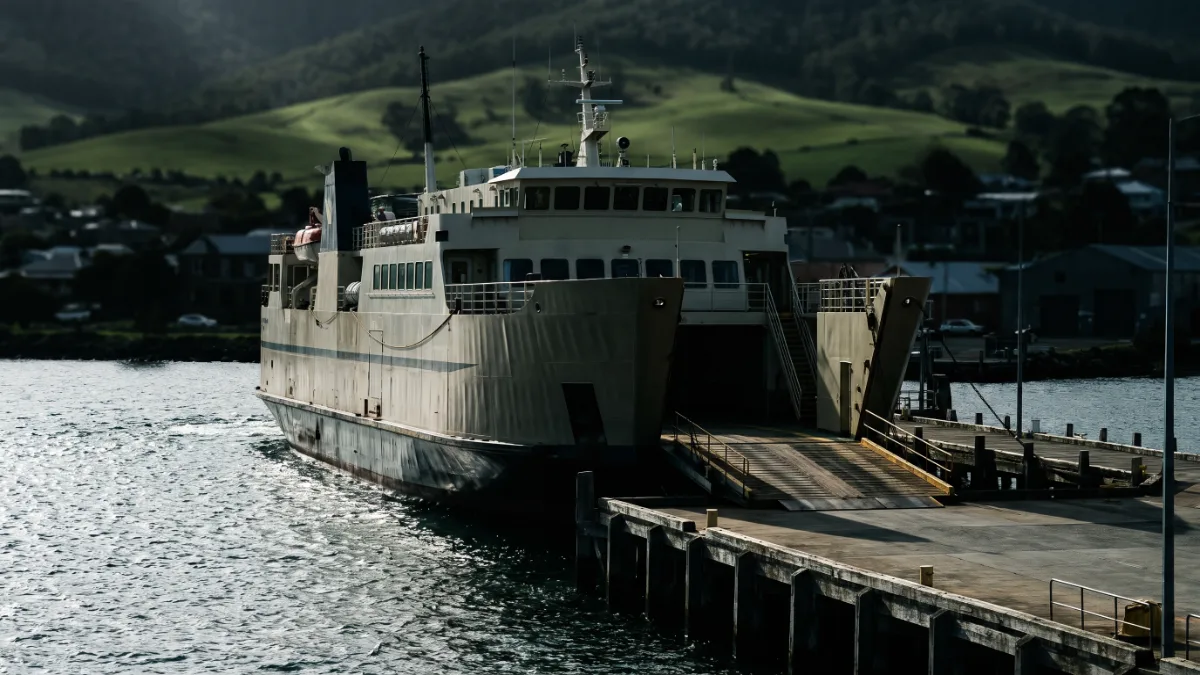
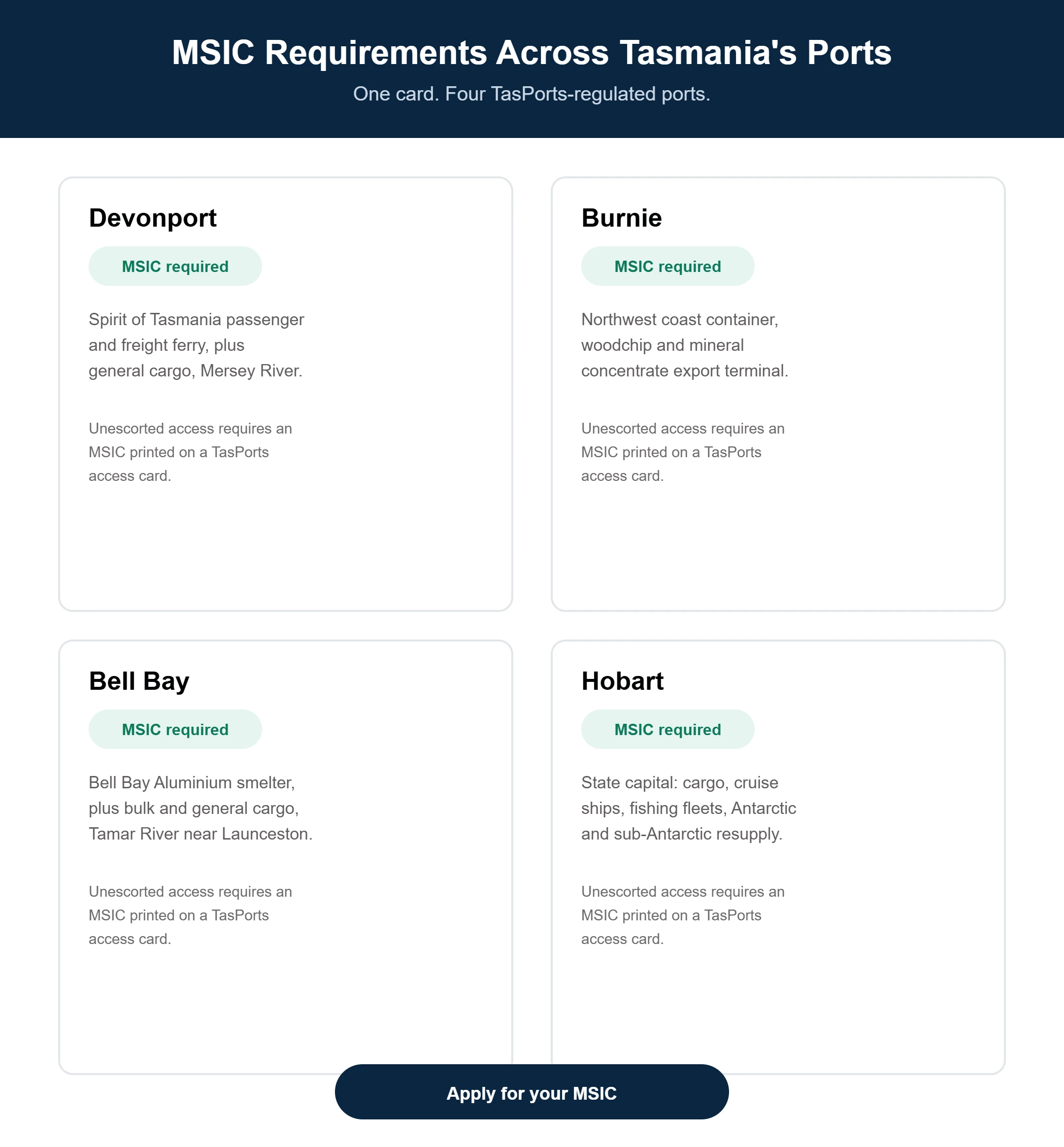
- Devonport: MSIC required for unmonitored access; home to the Spirit of Tasmania passenger and freight ferry service and general cargo on the Mersey River.
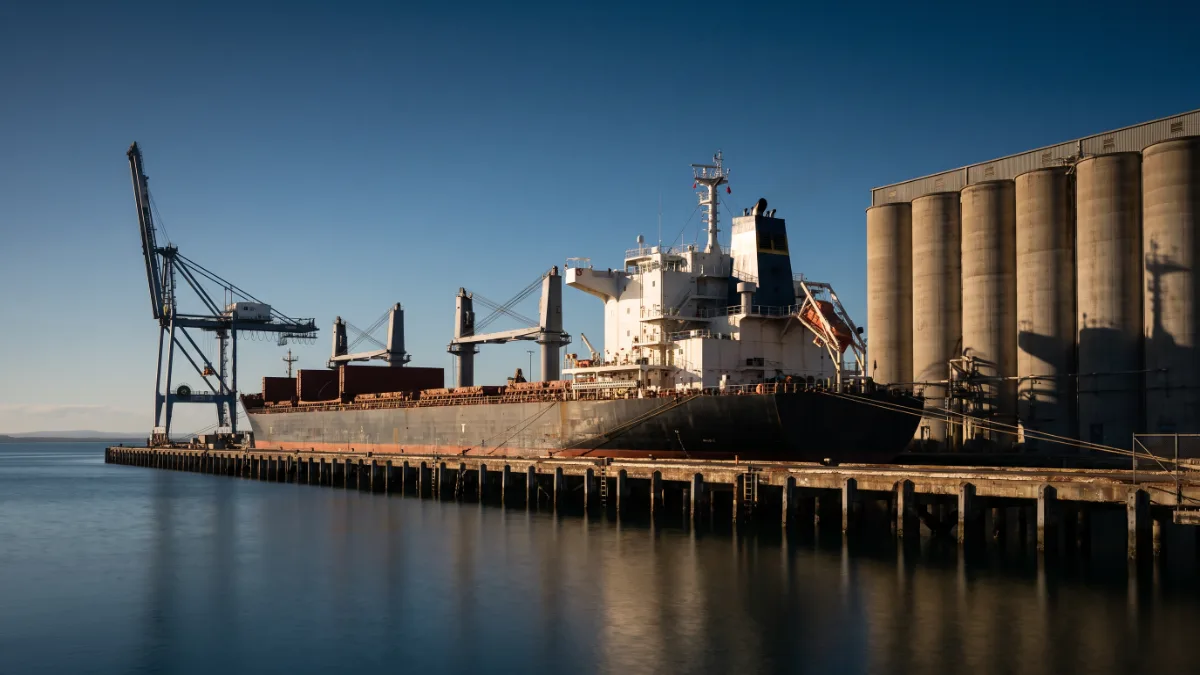
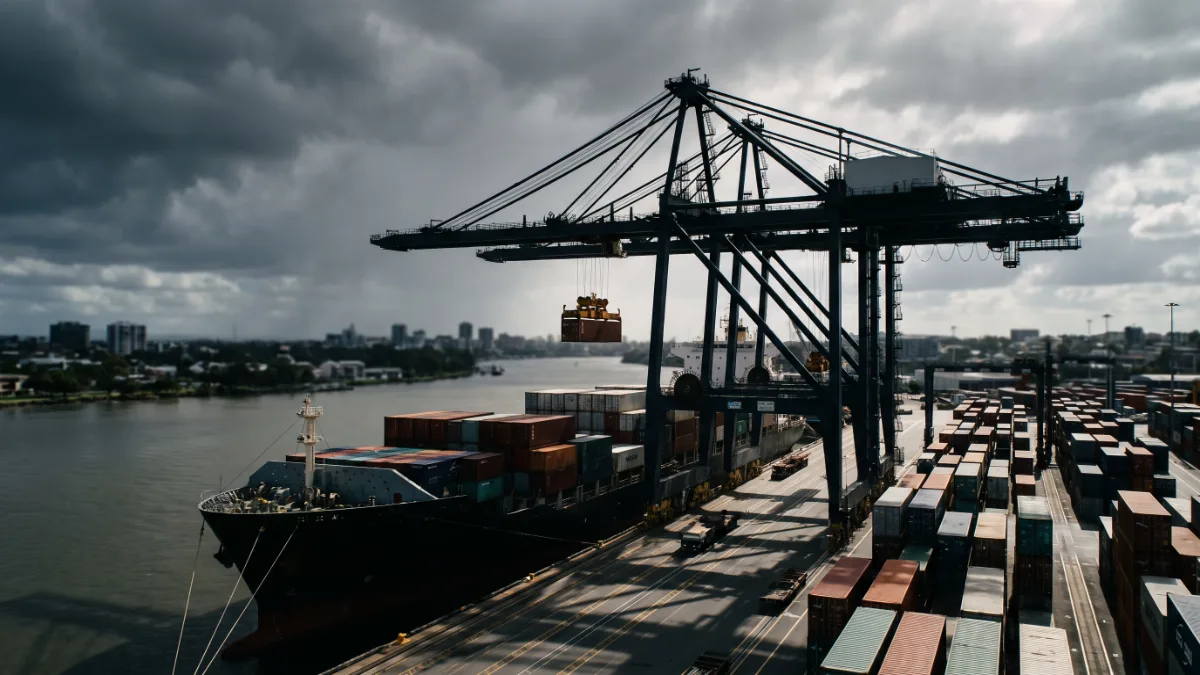
- Burnie: MSIC required for unmonitored access; northwest coast container, woodchip and mineral concentrate export terminal.
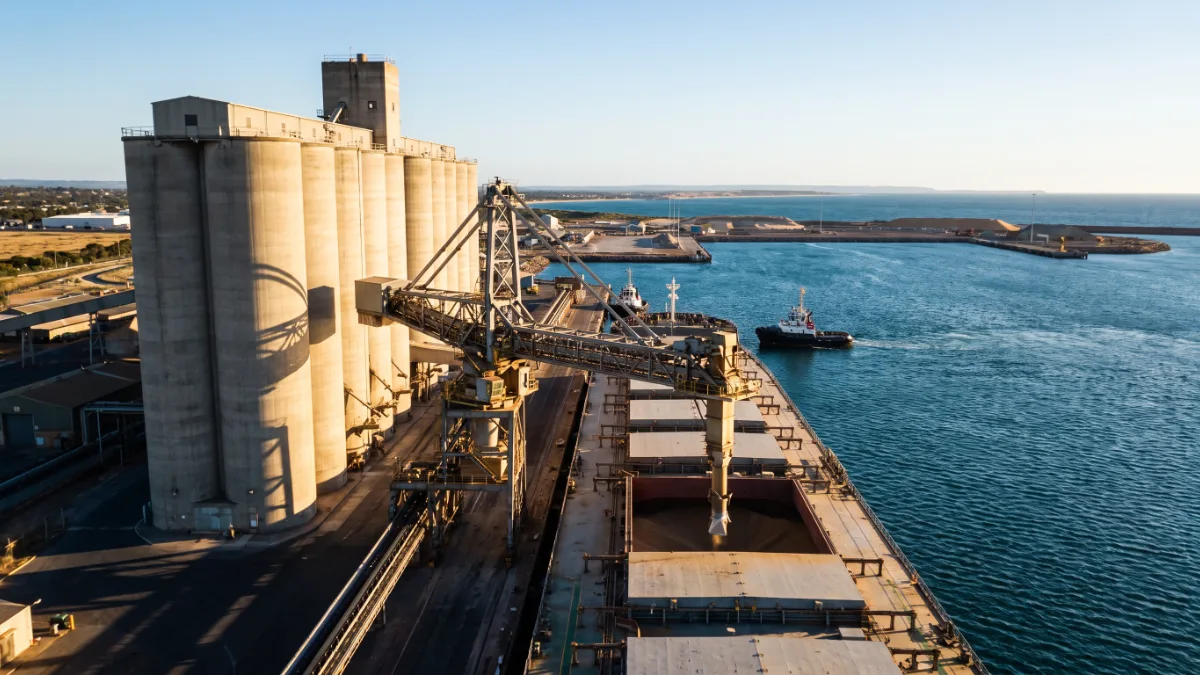
- Bell Bay: MSIC required for unmonitored access; Tamar River port serving the Bell Bay Aluminium smelter plus bulk and general cargo.
- Hobart: MSIC required for unmonitored access; the state capital's port, handling cargo, cruise ships, fishing fleets and Antarctic and sub-Antarctic research and resupply voyages.
All four are a straightforward MSIC requirement, no port in Tasmania carries a conditional exception the way some interstate ports do. TasPorts allows visitors up to five escorted visits before requiring their own MSIC, worth knowing if you only need occasional access.
Unlike some mainland regions where different operators run different ports, TasPorts operates all eleven of Tasmania's maritime ports, including all four security regulated ones. That means one set of rules applies consistently across the state: the same MSIC, printed on the same style of TasPorts-integrated access card, at every one of Tasmania's regulated ports.
One card, every Tasmanian port
An MSIC issued by any Australian Government authorised issuing body, ClientView included, is a national card. It isn't tied to the port where you applied, and it doesn't need to be reissued if your work moves between Devonport, Burnie, Bell Bay, Hobart, or any other security regulated port in the country. What differs below is local: what each port moves, and the access-card detail that sits on top of the same MSIC requirement.
Devonport
On the Mersey River, home to the Spirit of Tasmania passenger and freight ferry service between Devonport and Melbourne, alongside general cargo. TasPorts confirms Devonport is one of its four Security Regulated Ports; anyone who needs unmonitored access, including ferry terminal staff, stevedores, marine crew and contractors, must hold an MSIC printed on a TasPorts access card. Visitors get up to five escorted visits before needing their own MSIC.
Burnie
On Tasmania's northwest coast, a container, woodchip and mineral concentrate export terminal serving the state's mining and forestry industries. TasPorts confirms Burnie is one of its four Security Regulated Ports; anyone who needs unmonitored access, including stevedores, terminal workers and marine crew, must hold an MSIC printed on a TasPorts access card.
Bell Bay
On the Tamar River near Launceston, home to the Bell Bay Aluminium smelter alongside bulk and general cargo terminals. TasPorts confirms Bell Bay is one of its four Security Regulated Ports; anyone who needs unmonitored access, including smelter contractors, stevedores and marine crew, must hold an MSIC printed on a TasPorts access card.
Hobart
Tasmania's capital port, handling containerised and bulk cargo, cruise ship visits, the state's fishing fleets, and Antarctic and sub-Antarctic research and resupply voyages. TasPorts confirms Hobart is one of its four Security Regulated Ports; anyone who needs unmonitored access, including stevedores, cruise terminal staff, fishing industry workers and marine crew, must hold an MSIC printed on a TasPorts access card.
Applying once, for wherever the work takes you
If your work moves between two or more of these ports, or between Tasmania and the rest of the country, you only need the one card. Between 20 and 45 minutes online if you have your details to hand. Apply for your MSIC, verify your identity at a participating Australia Post outlet, and ClientView lodges every ready application with AusCheck each business day. See our measured processing times for how long that typically takes.