Short Answer
Central and south Queensland's seven ports on this site, Port of Brisbane, Port of Gladstone, Bundaberg, Rockhampton's Port Alma, Port of Hay Point, Port of Mackay and Abbot Point, all accept the same national MSIC, though the detail of exactly when you need to wear one differs at one of them:
- Port of Brisbane: MSIC required for unmonitored access within the port's maritime security zone; Australia's third largest container port and Queensland's largest multi-cargo port at Fisherman Islands.
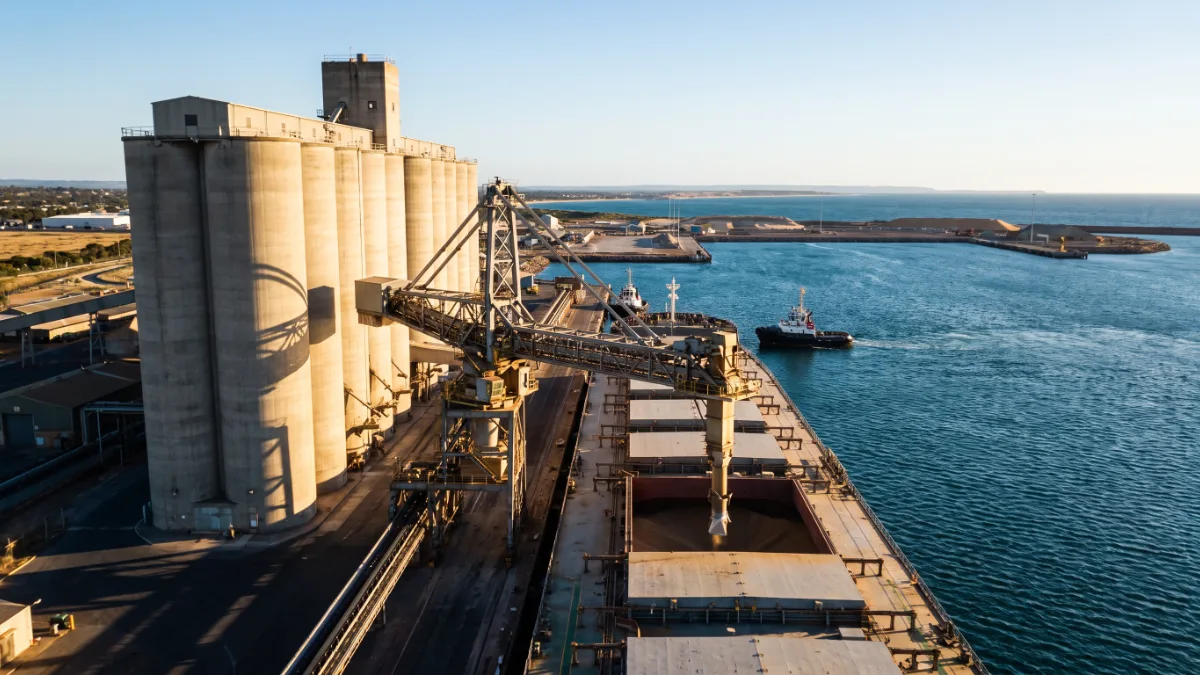
- Port of Gladstone: MSIC required for unmonitored access within the port's maritime security zones; one of Australia's largest multi-commodity ports, exporting coal, LNG, alumina and cement.
- Bundaberg: MSIC required for unmonitored access within the Maritime Security Zone at this Burnett River sugar and molasses terminal.
- Rockhampton, Port Alma: MSIC required for unmonitored access within the Maritime Security Zone at this Fitzroy River livestock and bulk cargo terminal.
- Port of Hay Point: Dalrymple Bay Coal Terminal, Hay Point Services Terminal and the Half Tide Tug Harbour all have security gates; no unauthorised public access is allowed beyond them. (NQBP safety and security page, checked 11 September 2026)
- Port of Mackay: depends on the security level. In NQBP's words: "At Security Level 1, access to the secured area may be granted to those having an ‘operational’ need to enter the area and following the issue of a port access card. At Security Levels 2 and 3, persons must at least be the holder of a Maritime Security Identification Card (MSIC)." (NQBP safety and security page, checked 11 September 2026)
- Abbot Point: MSIC required for unmonitored access to restricted zones at this Bowen Basin coal export terminal north of Bowen.
The Port of Mackay is the one to check against your own role, since NQBP describes access there by security level, with a port access card at Security Level 1 and an MSIC at Security Levels 2 and 3. The detail below is about what each port moves and who operates it, not about whether your MSIC works there.
Central and south Queensland's ports split across three operating structures. Port of Brisbane is run by its own operator, Port of Brisbane Pty Ltd, separate from the Gladstone Ports Corporation and North Queensland Bulk Ports networks covered below. Gladstone, Bundaberg and Rockhampton's Port Alma are operated by Gladstone Ports Corporation (GPC), which stopped issuing MSICs itself from 12 June 2026 and now directs holders of cards it issued to an authorised issuing body; any authorised issuing body's MSIC, ClientView's included, is accepted at all three. Hay Point, Mackay and Abbot Point sit within North Queensland Bulk Ports (NQBP), which has never issued MSICs itself; the Department of Home Affairs, via authorised issuing bodies, has always handled these. Whichever operator your port sits under, it's the same card, the same national scheme, and the same ClientView application.
One card, every central and south Queensland port
An MSIC issued by any Australian Government authorised issuing body, ClientView included, is a national card. It isn't tied to the port where you applied, and it doesn't need to be reissued if your work moves between Brisbane, Gladstone, Bundaberg, Rockhampton's Port Alma, Hay Point, Mackay, Abbot Point, or any other security regulated port in the country. What differs below is local: who operates the port, what it moves, and when exactly you need to wear an MSIC.
Port of Brisbane
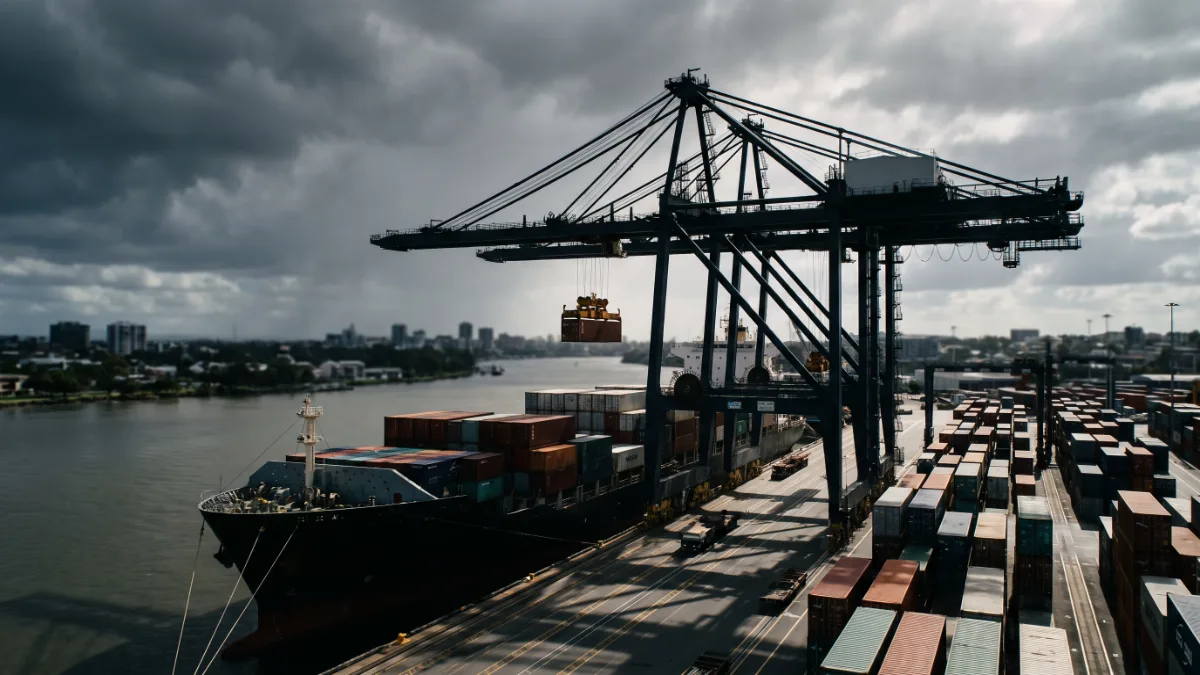
At Fisherman Islands, Australia's third largest container port and Queensland's largest multi-cargo port, handling containers, motor vehicles and agribusiness exports for the whole state. Anyone who needs unmonitored access to a maritime security zone at least once each year (r. 6.07F(1)), including stevedores, container terminal staff, truck drivers, marine crew, agents and contractors, must hold a valid MSIC, even for infrequent access; the card itself isn't an access control card, so site-specific inductions apply separately. Brisbane sits under its own operator, Port of Brisbane Pty Ltd, distinct from the Gladstone Ports Corporation and North Queensland Bulk Ports networks covered below; any Australian Government authorised issuing body's MSIC, ClientView's included, is accepted here.
Port of Gladstone
One of Australia's largest multi-commodity ports, exporting coal, LNG from Curtis Island, alumina, aluminium and cement products for central Queensland's industrial belt. Gladstone Ports Corporation (GPC) identifies Gladstone as a security regulated port; anyone needing unmonitored access to a maritime security zone, including stevedores, terminal operators, LNG and industrial plant contractors, truck drivers, marine crew and surveyors, must hold a valid MSIC. GPC stopped issuing MSICs itself from 12 June 2026 and now directs holders of cards it issued to an authorised issuing body; any authorised issuing body's MSIC, ClientView's included, is accepted. Gladstone's industrial terminals, particularly around LNG and hazardous materials, commonly add their own site inductions on top of the MSIC.
Bundaberg
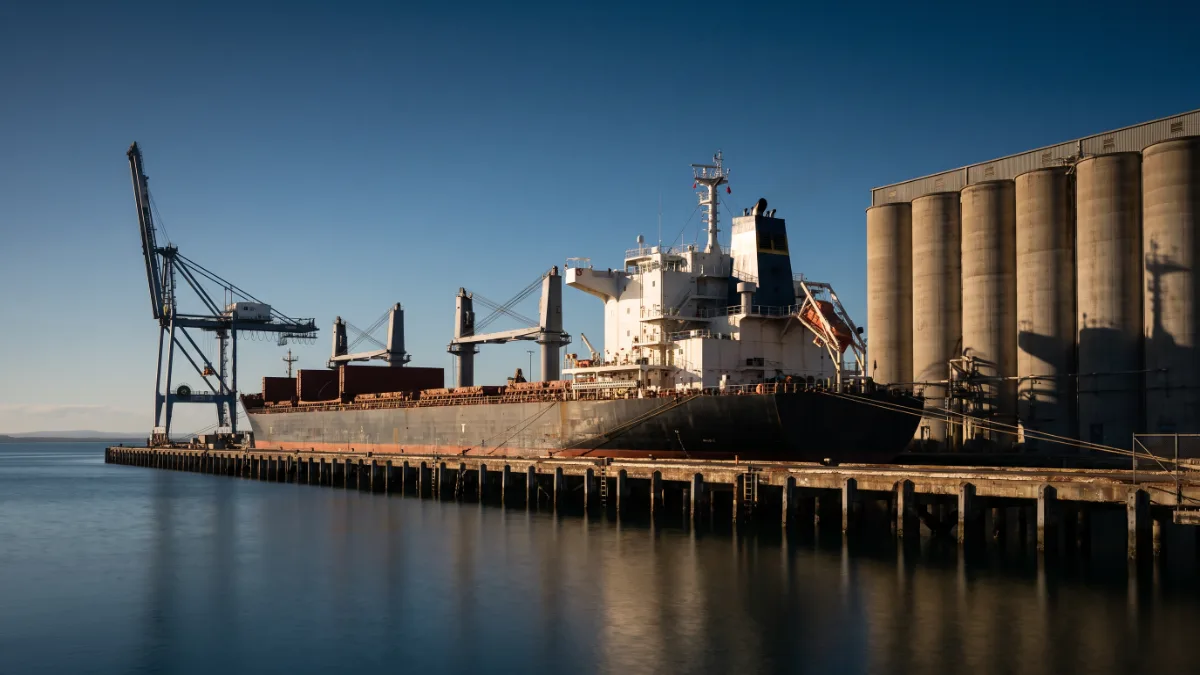
On the Burnett River in southern Queensland, a Gladstone Ports Corporation facility exporting raw sugar and molasses. GPC identifies Bundaberg among its security regulated ports; anyone who needs unmonitored access to a maritime security zone, including stevedores, terminal workers and marine crew servicing the sugar terminal, must hold a valid MSIC. GPC ceased being an authorised MSIC issuing body on 12 June 2026 and now directs holders of cards it issued to an authorised issuing body; any authorised issuing body's MSIC, ClientView's included, is accepted. Local induction and site access remain separate from MSIC issue.
Rockhampton, Port Alma
On the Fitzroy River near Rockhampton, a Gladstone Ports Corporation facility handling livestock, bulk and general cargo for central Queensland. GPC identifies Port Alma among its security regulated ports; anyone who needs unmonitored access to a maritime security zone, including stevedores, livestock handlers, terminal workers and marine crew, must hold a valid MSIC. GPC ceased being an authorised MSIC issuing body on 12 June 2026 and now directs holders of cards it issued to an authorised issuing body; any authorised issuing body's MSIC, ClientView's included, is accepted.
Port of Hay Point
Just south of Mackay, one of the world's largest metallurgical coal export hubs, home to the Hay Point Coal Terminal and the Dalrymple Bay Coal Terminal, together exporting coal from more than 30 Bowen Basin mines to steel mills across Asia. Dalrymple Bay Coal Terminal, Hay Point Services Terminal and the Half Tide Tug Harbour all have security gates; no unauthorised public access is allowed beyond them. (NQBP safety and security page, checked 11 September 2026) Check your specific role and terminal with your employer, since Hay Point Coal Terminal and Dalrymple Bay Coal Terminal are separately operated with their own inductions.
Port of Mackay
Five kilometres north of the city, a multi-commodity port where four wharves inside Mackay Harbour handle fuel, sugar, grain and general cargo. North Queensland Bulk Ports (NQBP) describes access by security level: "At Security Level 1, access to the secured area may be granted to those having an ‘operational’ need to enter the area and following the issue of a port access card. At Security Levels 2 and 3, persons must at least be the holder of a Maritime Security Identification Card (MSIC)." (NQBP safety and security page, checked 11 September 2026) At every NQBP port an MSIC must be worn by anyone entering a restricted zone.
Abbot Point
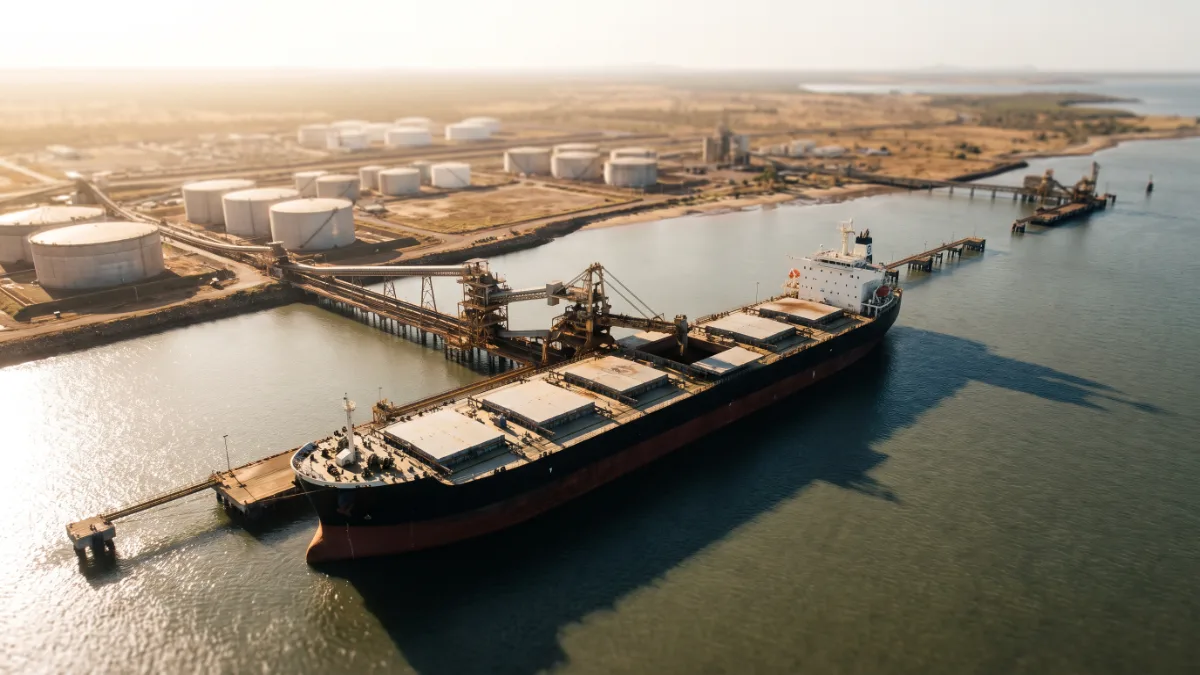
North of Bowen, a coal export terminal serving Bowen Basin mines, with the trading links that make it, like the rest of the NQBP network, a security regulated port. North Queensland Bulk Ports (NQBP) states an MSIC is valid at every NQBP port and that every person entering a restricted zone must wear one; anyone needing unmonitored access to a maritime security zone at Abbot Point, including stevedores, terminal maintenance workers and marine crew, needs a valid MSIC. Confirm current site access requirements with the terminal operator or your employer.
Applying once, for wherever the work takes you
If your work moves between two or more of these ports, or between central and south Queensland and the rest of the country, you only need the one card. Between 20 and 45 minutes online if you have your details to hand. Apply for your MSIC, verify your identity at a participating Australia Post outlet, and ClientView lodges every ready application with AusCheck each business day. See our measured processing times for how long that typically takes.